
From AI to Automation: Identifying and Mitigating Tech Risks in Your Business

In today’s fast-paced digital landscape, the allure of cutting-edge technologies such as AI and automation is irresistible for businesses striving to stay ahead. These innovations promise unprecedented operational efficiency and competitive advantage, making them a tempting investment. However, embracing these technological advancements without fully understanding their associated risks can lead to significant challenges. In this document, we will explore the potential pitfalls of rapid tech acceleration and provide strategic insights to help you mitigate these risks, ensuring your technology investments drive sustainable growth and success for your business. Understanding Rapid Tech Acceleration The Promise of Efficiency Rapid tech acceleration brings the promise of unparalleled efficiency to businesses. Advanced technologies like AI and automation streamline operations, reducing manual effort and human error. This leads to faster processes, allowing your team to focus on higher-value tasks. Moreover, automation can handle repetitive jobs around the clock, boosting productivity and operational efficiency. Implementing these technologies can also lead to cost savings by minimizing labor costs and reducing waste. However, it’s essential to adopt these tools thoughtfully to ensure that they align with your business goals and do not disrupt existing workflows. Strategic planning and phased implementation are key to harnessing the full potential of these technologies while minimizing risks. Potential Drawbacks While the benefits of rapid tech acceleration are enticing, there are notable drawbacks to consider. One major concern is security vulnerabilities. New technologies, especially those in their nascent stages, can harbor undetected flaws that hackers could exploit. Operational disruptions are another risk; hastily implemented tech can lead to system malfunctions, data loss, and employee adaptability issues. Skill gaps within your team can also pose challenges, as new tools often require specialized knowledge. Furthermore, committing to a single vendor can lead to vendor lock-in, limiting your flexibility to adapt to future innovations. Ethical dilemmas related to AI and automation are another critical issue, especially regarding data privacy and transparency. Lastly, regulatory challenges can arise if your new technology does not comply with existing laws, risking fines and legal complications. Addressing these risks through careful planning and expert consultation is crucial for successful tech implementation. Balancing Innovation and Risk Balancing innovation with risk management is essential when embracing rapid tech acceleration. Start by conducting thorough security assessments before deploying any new technology. This proactive approach helps identify vulnerabilities early, allowing you to mitigate them before they become serious threats. Implementing technology in phases can also minimize operational disruptions. Begin with a small team to test new solutions, identify issues, and make necessary adjustments before a full-scale rollout. Training your employees is crucial to closing skill gaps and ensuring they can effectively use new tools. Additionally, avoid vendor lock-in by choosing scalable solutions that integrate well with your existing infrastructure. Establish guidelines for ethical technology use, and consider forming an internal committee to oversee compliance. Lastly, consult legal experts to navigate regulatory challenges and ensure your tech implementations align with current laws. By balancing innovation with strategic risk management, you can harness technology’s benefits while safeguarding your business. Identifying Key Tech Risks IT Security Vulnerabilities IT security vulnerabilities are a significant risk associated with rapid tech acceleration. New technologies often come with undiscovered flaws that can be exploited by cybercriminals. These vulnerabilities pose a threat to sensitive business data, customer information, and overall IT infrastructure. Hackers can leverage these weaknesses to launch cyberattacks, leading to data breaches, financial losses, and reputational damage. To mitigate these risks, it is crucial to conduct regular security assessments and audits of your IT systems. Implementing robust cybersecurity measures, such as firewalls, encryption, and multi-factor authentication, can also enhance your defenses. Additionally, staying updated with the latest security patches and software updates is essential to protect against new threats. By prioritizing IT security and proactively addressing vulnerabilities, you can safeguard your business from potential cyber threats and ensure the integrity of your technology investments. Operational Disruptions Operational disruptions are a common risk when rapidly adopting new technologies. Implementing advanced tools without adequate planning can lead to system malfunctions, data loss, and workflow interruptions. These disruptions can significantly impact daily operations, reducing productivity and causing frustration among employees. To minimize these risks, consider a phased approach to tech implementation. Start with a pilot program involving a small team to test the new technology, identify issues, and make necessary adjustments before a full-scale rollout. Additionally, ensure that your team receives comprehensive training to adapt to new systems smoothly. Regularly monitoring and evaluating the performance of new technologies can also help identify potential issues early, allowing for timely intervention. By taking these precautions, you can integrate new technologies into your operations more seamlessly, ensuring that they enhance rather than disrupt your business processes. Skill Gaps in the Workforce Skill gaps in the workforce are a significant challenge when adopting new technologies. Advanced tools like AI, automation, and machine learning require specialized knowledge that your current team may lack. Without proper training, employees may struggle to operate new systems efficiently, leading to mistakes and reduced productivity. To bridge these skill gaps, investing in comprehensive training programs is essential. Offer workshops, online courses, and hands-on training sessions to ensure your team is well-versed in the new technology. Additionally, consider hiring or consulting with experts who can provide immediate support and guidance. Encouraging a culture of continuous learning and upskilling can also help your workforce stay updated with technological advancements. By proactively addressing skill gaps, you empower your team to leverage new tools effectively, maximizing the benefits of your tech investments and driving operational efficiency. Strategic Mitigation Approaches Phased Tech Implementation Phased tech implementation is a strategic approach that can help mitigate the risks associated with adopting new technologies. Instead of deploying a new system across the entire organization at once, start with a pilot program involving a small, select group of users. This allows you to test the technology in a controlled environment, identify potential issues, and gather feedback. Based on these insights, you can make necessary adjustments before rolling out the solution on a
Embracing Innovation Through Smart Tech Acceleration

In today’s hyper-competitive digital landscape, staying ahead requires more than just keeping up with technology; it demands smart tech acceleration. This transformative approach goes beyond rapid tech adoption, turning technology into a strategic ally that aligns seamlessly with your business goals. Smart tech acceleration empowers you to embrace cutting-edge solutions, drive innovation, and deliver an enhanced customer experience, ensuring your business not only survives but thrives. In this piece, we will delve into the myriad benefits of smart tech acceleration and how it can propel your business towards sustained growth and resilience. Understanding Smart Tech Acceleration What is Smart Tech Acceleration? Smart tech acceleration isn’t just about updating your tech at a breakneck pace. Instead, it’s about transforming technology into a powerful ally for your business ambitions. This approach involves a strategic alignment of tech advancements with your long-term goals. By adopting a visionary stance, you ensure that your tech journey is not about quick fixes but about sustainable growth. Imagine saying goodbye to outdated technology and steering your business towards a future that is both dynamic and resilient. With smart tech acceleration, you’re not merely keeping up with technology trends; you’re leveraging them to drive innovation and deliver an enhanced customer experience. This method allows you to adapt swiftly to market changes, optimize business processes, and stay ahead of the competition. It’s about making technology work for you in ways that propel your business forward. Key Components of Smart Tech Acceleration Smart tech acceleration is anchored by several key components that ensure its effectiveness. Firstly, it involves strategic technology planning, where you align tech initiatives with your business objectives. This means understanding which technologies will drive innovation and growth. Secondly, integrated solutions play a crucial role. Instead of isolated tech upgrades, smart tech acceleration emphasizes cohesive systems that work seamlessly together. Thirdly, data-driven decision-making is essential. Leveraging data and analytics helps you make informed choices that enhance efficiency and customer experience. Another critical component is agile implementation, which allows your business to adapt quickly to changes and stay ahead of technology trends. Lastly, continuous learning and development ensure your team stays proficient with new technologies, fostering an environment of innovation. By focusing on these components, you can turn technology into a strategic asset that drives sustained business growth. Myths and Misconceptions There are several myths and misconceptions surrounding smart tech acceleration that can hinder its adoption. One common myth is that it requires a massive initial investment. While some upfront costs are involved, the long-term benefits and cost savings often outweigh these expenses. Another misconception is that faster tech adoption equals smart tech acceleration. In reality, it’s about strategic and thoughtful integration of technology, not speed alone. Some believe that only large enterprises can benefit from smart tech acceleration. However, businesses of all sizes can leverage cutting-edge solutions to drive innovation and growth. Additionally, there’s a misconception that smart tech acceleration is solely about the latest gadgets and software. In truth, it’s about how you use these tools to enhance your business processes and customer experience. By dispelling these myths, businesses can better understand the true value of smart tech acceleration and utilize it effectively for sustained growth. Benefits of Smart Tech Acceleration Adaptability and Resilience One of the primary benefits of smart tech acceleration is its ability to enhance your business’s adaptability and resilience. In a constantly evolving market, being able to quickly respond to changes is crucial. Smart tech acceleration equips you with flexible technology that can adjust to your business’s evolving needs. This means when economic shifts, consumer trends, or unforeseen challenges arise, your business can pivot swiftly and effectively. This adaptability not only helps you stay ahead of the competition but also ensures your operations run smoothly under varying conditions. Furthermore, resilient technology systems can withstand disruptions, minimizing downtime and maintaining productivity. By embracing smart tech acceleration, you build a robust foundation that supports continuous growth and stability, ensuring your business thrives even in uncertain times. Efficient Operations Smart tech acceleration significantly enhances the efficiency of your business operations. By streamlining technology, you can optimize various processes, reducing costs and boosting productivity. Automation plays a crucial role here, handling repetitive tasks that would otherwise consume valuable time and resources. This allows your team to focus on strategic initiatives that drive business growth. Integrated workflows ensure that different systems and departments work seamlessly together, reducing bottlenecks and improving overall operational efficiency. Additionally, real-time data and analytics provide insights that enable more informed decision-making, further refining your processes. Imagine reallocating resources from mundane tasks to innovative projects that propel your business forward. With smart tech acceleration, you achieve more with less, maximizing your operational capabilities and setting the stage for sustained growth and success. Competitive Advantage Smart tech acceleration provides a significant competitive advantage by integrating cutting-edge solutions into your business model. Staying ahead of technology trends allows you to offer innovative offerings that attract and retain customers. It’s not just about being different; it’s about being better and faster. By leveraging the latest technology, you can enhance your products and services, making them more appealing and efficient. This positions your business as a leader in your industry, setting you apart from competitors who may still rely on outdated systems. Additionally, a forward-thinking approach to tech adoption helps future-proof your business, ensuring you are always ready to meet new market demands. This proactive stance builds customer trust and loyalty, as they see you as a trailblazer dedicated to providing the best possible solutions. Ultimately, smart tech acceleration ensures your business remains a step ahead, driving sustained growth and success. Enhancing Customer Experience Personalized Services Smart tech acceleration allows you to offer personalized services that significantly enhance the customer experience. By leveraging data and analytics, you can gain deep insights into customer preferences and behaviors. This enables you to tailor your offerings to meet individual needs, creating a more engaging and satisfying experience for each customer. Personalized marketing campaigns can be crafted to target specific segments, increasing the relevance and effectiveness of your messages. Additionally,
The Benefits of Partnering with an Exceptional IT Service Provider
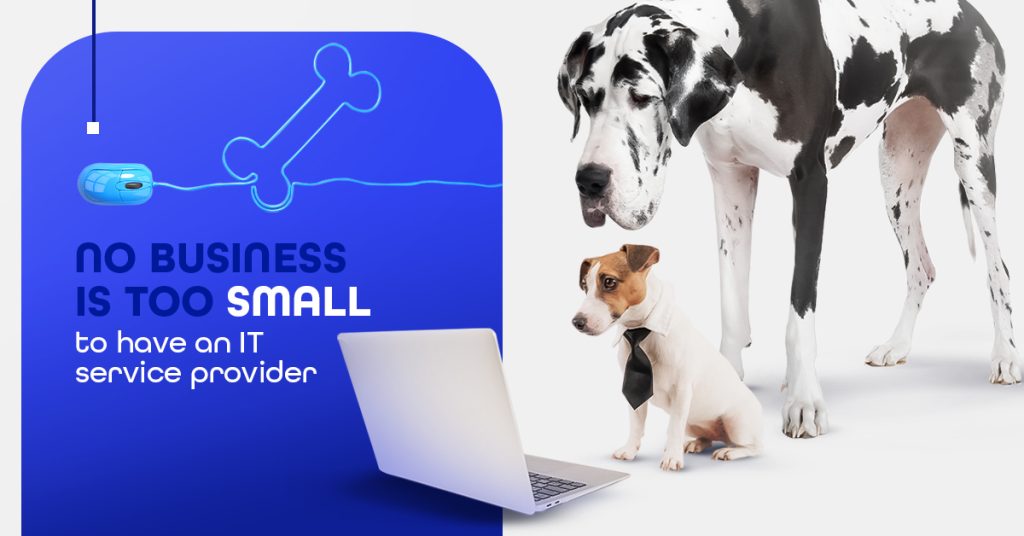
In today’s fast-paced business landscape, having a dependable IT service provider is more crucial than ever. As businesses increasingly rely on technology for day-to-day operations and strategic growth, managing complex IT systems can become a daunting task. Partnering with an exceptional IT service provider can be a game-changer, offering not only technical support but also strategic insights to help you achieve your business objectives. This article will delve into the myriad benefits of collaborating with a top-notch IT partner, illustrating how they can enhance your cybersecurity, ensure regulatory compliance, and keep you ahead in the tech game. So, let’s explore why an exceptional IT service provider is the ally your business needs to thrive. The Role of Technology in Modern Business Dependence on Technology for Success In contemporary business, technology is not just a tool but a cornerstone for success. Companies rely heavily on advanced software, cloud computing, and data analytics to streamline operations and gain insights. From managing customer relationships to optimising supply chains, technology permeates every aspect of business. This dependence means that any disruption can have significant repercussions, affecting productivity and profitability. Therefore, having a robust IT infrastructure managed by an exceptional IT service provider is vital. They ensure your technology runs smoothly, allowing you to focus on core business activities. In essence, technology is the backbone of modern business, and a skilled IT partner ensures this backbone remains strong and flexible. Challenges of Managing IT Independently Managing IT independently can be an overwhelming task for many businesses. Without specialised expertise, companies often struggle to keep up with the rapid pace of technological advancements. Routine maintenance, software updates, and troubleshooting can consume significant time and resources. Additionally, protecting against cyber threats becomes a daunting challenge without dedicated cybersecurity measures. The absence of a skilled IT team can lead to prolonged downtimes, inefficiencies, and even data breaches. These issues not only hinder daily operations but also impact long-term growth. By partnering with an exceptional IT service provider, businesses can offload these challenges, ensuring their IT systems are efficient, secure, and up-to-date. This allows the internal team to focus on strategic initiatives, driving the business forward. The Need for a Strategic IT Ally In today’s competitive landscape, having a strategic IT ally is essential for business success. An exceptional IT service provider does more than just fix problems; they offer proactive solutions and strategic insights. They understand your business goals and align technology accordingly, ensuring you are always ahead of the curve. With their expertise, they can optimise your IT infrastructure, improve efficiency, and reduce costs. Moreover, they provide valuable advice on leveraging new technologies and innovations, giving your business a competitive edge. This strategic partnership allows you to focus on growth and development, while your IT partner handles the technical complexities. In essence, a strategic IT ally is not just a service provider but a key contributor to your business’s success and sustainability. Cybersecurity: Your IT Partner’s Priority Proactive Measures Against Cyber Threats Cyber threats are an ever-present danger in the digital age, and their sophistication continues to grow. An exceptional IT service provider takes proactive measures to safeguard your business from these threats. They employ advanced security protocols, continuous monitoring, and regular vulnerability assessments to identify and mitigate risks before they become serious issues. By implementing firewalls, encryption, and multi-factor authentication, they create robust defence mechanisms that protect sensitive data. Additionally, they educate your staff on best practices to avoid phishing attacks and other social engineering tactics. This proactive stance ensures that your business is not only protected against current threats but is also prepared for future challenges. Ultimately, a vigilant IT partner acts as a cybersecurity shield, allowing you to operate with confidence and peace of mind. Real-time Monitoring and Alerts Real-time monitoring and alerts are critical components of a robust cybersecurity strategy. An exceptional IT service provider utilises advanced monitoring tools to keep a constant eye on your systems. This continuous surveillance allows them to detect unusual activities and potential threats the moment they occur. When anomalies are identified, immediate alerts are sent to the IT team, enabling swift action to prevent or minimise damage. This proactive approach ensures that issues are addressed before they escalate into significant problems. Moreover, real-time monitoring helps in maintaining compliance with industry standards and regulations by ensuring that all security measures are consistently applied. By providing real-time insights and rapid response capabilities, your IT partner fortifies your cybersecurity framework, safeguarding your business against evolving threats. Responding to Security Incidents When security incidents occur, swift and effective response is crucial to mitigating damage. An exceptional IT service provider has a well-defined incident response plan that guides their actions in the event of a breach. This includes immediate identification and isolation of affected systems to prevent the spread of the threat. They conduct thorough investigations to determine the root cause and extent of the breach. Additionally, they communicate transparently with your team, keeping you informed of the situation and the steps being taken. Post-incident, they perform detailed analyses to strengthen defences and prevent future occurrences. This comprehensive approach ensures that your business can quickly recover and continue operations with minimal disruption. By having an expert IT partner manage security incidents, you can have confidence in your ability to handle crises effectively and maintain the integrity of your systems. Navigating Compliance with Ease Understanding Industry Regulations Understanding industry regulations is a complex but essential task for businesses, particularly those in highly regulated sectors like finance, healthcare, and data management. An exceptional IT service provider stays abreast of the latest regulatory changes and ensures your systems comply with all relevant standards. They bring in-depth knowledge of regulations such as the General Data Protection Regulation (GDPR), the Health Insurance Portability and Accountability Act (HIPAA), and local data privacy laws. By implementing compliance-focused IT solutions, they help your business avoid costly fines and reputational damage. They also conduct regular audits and risk assessments to identify and address any compliance gaps. In essence, your IT
The Benefits of a Scalable and Secure IT Service Provider
In today’s rapidly evolving digital landscape, the role of technology in business success cannot be understated. However, grappling with the complexities of IT infrastructure and systems often leaves many organisations with more headaches than solutions. This is where the importance of a scalable and secure IT service provider comes into play. Choosing the right partner can not only streamline your operations but also propel your business to new heights by ensuring strategic alignment, bolstering efficiency, and fostering innovation. In this document, we will delve into the myriad benefits of partnering with a top-tier IT service provider, exploring how such a partnership can transform your business operations and secure a competitive edge in the market. Strategic Alignment Anticipating Future Trends Great IT service providers not only manage current technologies but also possess the foresight to anticipate future industry trends. They stay abreast of the latest advancements to ensure your business remains competitive. By analysing emerging technologies and market shifts, they can recommend solutions that align with your long-term business goals. This proactive approach enables your organisation to adapt swiftly to changes, minimising disruptions and capitalising on new opportunities. Furthermore, anticipating future trends helps in strategic planning, ensuring that your IT infrastructure evolves in sync with your growth trajectory. This forward-thinking mindset turns technology into a strategic asset, driving innovation and positioning your business as a market leader. Aligning with Business Objectives An exceptional IT service provider goes beyond merely offering technical solutions. They take the time to understand your unique business objectives and tailor their services to meet these goals. This alignment ensures that every technological initiative supports your broader strategy, whether it’s enhancing customer experience, increasing operational efficiency, or driving revenue growth. By integrating IT solutions with your business plan, they help you achieve a coherent and unified approach. This synergy not only optimises resource allocation but also ensures that your technology investments provide maximum returns. Ultimately, aligning IT services with business objectives transforms technology from a support function into a strategic enabler, propelling your organisation towards its vision. Improved Efficiency Streamlining Operations A top-notch IT service provider can significantly improve your business efficiency by streamlining operations. They achieve this by optimising your existing technology infrastructure and automating routine tasks. Automation reduces manual intervention, minimising errors and freeing up your staff to focus on more strategic activities. Additionally, by refining business workflows and integrating various departments, they ensure that all parts of your organisation work cohesively. This harmonisation reduces bottlenecks and enhances communication, leading to smoother and faster processes. The result is a more agile and responsive business that can adapt quickly to market demands while reducing operational costs. Ultimately, streamlining operations through IT services not only boosts productivity but also enhances overall profitability. Optimising Technology Infrastructure Optimising your technology infrastructure is crucial for achieving peak efficiency and performance. A skilled IT service provider assesses your current systems to identify areas for improvement, ensuring that all components work seamlessly together. They might recommend upgrades, reconfigurations, or the adoption of new technologies that better suit your business needs. By eliminating redundancies and enhancing system capabilities, they help you make the most out of your existing investments. This optimisation not only reduces downtime and technical issues but also enhances the speed and responsiveness of your IT systems. Furthermore, a well-optimised infrastructure can support more advanced applications and services, paving the way for future growth. In essence, optimising your technology infrastructure leads to a more efficient, reliable, and scalable IT environment that supports your business objectives. Informed Decision-Making Leveraging Advanced Analytics Leveraging advanced analytics is essential for making informed, data-driven decisions. An excellent IT service provider utilises cutting-edge analytical tools to sift through vast amounts of data, extracting actionable insights about your operations, customer behaviours, and market trends. This intelligence empowers your leadership team to make strategic decisions based on real-time information rather than intuition or outdated data. For instance, advanced analytics can identify inefficiencies in your processes, highlight shifts in customer preferences, and predict future market movements. By providing a clear, data-backed view of your business landscape, advanced analytics help you stay ahead of the competition. Ultimately, this approach not only improves decision-making but also enhances your ability to adapt and thrive in a rapidly changing market. Data-Driven Insights Data-driven insights are invaluable for steering your business in the right direction. By partnering with a proficient IT service provider, you gain access to sophisticated data analytics tools that transform raw data into meaningful information. These insights cover a broad spectrum, from operational performance metrics to customer satisfaction indices and market dynamics. With this data at your fingertips, you can identify trends and patterns that may not be immediately obvious, allowing you to make more informed decisions. For example, understanding customer behaviour through data analysis can help you tailor your marketing strategies, enhance product offerings, or improve service delivery. In essence, data-driven insights equip your business with the knowledge needed to optimise operations, increase customer satisfaction, and drive growth. This strategic advantage ensures that you are not just reacting to changes but proactively shaping your business’s future. Fostered Innovation Staying Ahead of Trends Staying ahead of trends is crucial in today’s fast-paced business environment. A leading IT service provider is constantly on the lookout for the latest technological advancements and industry shifts. By staying ahead of the curve, they ensure your business remains competitive and innovative. They achieve this by continuously monitoring emerging technologies, evaluating their potential impact, and identifying opportunities for early adoption. This proactive approach allows your business to implement cutting-edge solutions before they become mainstream, giving you a significant competitive advantage. Whether it’s adopting artificial intelligence, leveraging blockchain, or utilising the Internet of Things (IoT), staying ahead of trends positions your business as a leader rather than a follower. This commitment to innovation not only meets current market demands but also anticipates future needs, ensuring sustained growth and relevance in an ever-evolving landscape. Adopting Innovative Solutions Adopting innovative solutions is essential for maintaining a competitive edge in today’s dynamic
Common Myths About AI in Cybersecurity

AI in cybersecurity is a topic shrouded in mystery and misconception, with many believing it to be a one-stop solution for all security woes. In reality, AI is a powerful tool that can enhance your cybersecurity strategy, but it’s not a cure-all. As we delve into debunking common myths about AI in cybersecurity, we aim to shed light on the role of AI as a complement to human expertise, not a replacement. From the fallacy of invincibility to the notion of AI operating in isolation, join us on this journey to uncover the truths behind AI’s capabilities and limitations in the realm of cybersecurity. AI Myths in Cybersecurity Debunked Not a Cybersecurity Panacea AI isn’t a one-size-fits-all solution for cybersecurity. While it can efficiently analyse data and detect threats, it’s not an easy fix for everything. AI excels at processing large volumes of data quickly, identifying patterns, and even predicting potential threats. However, it can’t replace the nuanced judgement and experience of a well-trained security team. Businesses should use AI security solutions as part of a multi-pronged cybersecurity strategy. This includes regular vulnerability assessments, staff education, and perimeter defences. Relying solely on AI could lead to a false sense of security, leaving gaps that cybercriminals can exploit. AI should be viewed as an additional layer of protection, not the ultimate safeguard. Integrating AI with human oversight ensures a more robust and resilient cybersecurity posture. AI Doesn’t Make You Invincible AI isn’t a magic shield that makes your business impervious to cyber threats. Cybercriminals are constantly evolving their tactics, and it’s only a matter of time before they find ways to breach AI-driven defences. An AI system, no matter how advanced, requires regular updates and fine-tuning to stay effective. Moreover, AI can’t anticipate every possible attack vector. Human expertise is essential for interpreting AI findings, implementing security patches, and making informed decisions. Think of AI as a top-notch security system that needs regular maintenance and human oversight to function optimally. Ignoring this reality can lead to complacency, making your business more vulnerable. AI should augment your cybersecurity efforts, not replace them. A balanced approach combining AI with continuous human vigilance offers the best protection. Understanding AI’s Limitations No Substitute for Human Expertise AI can process data at speeds and volumes that would overwhelm human capabilities, but it lacks the intuition and context-awareness that human experts bring to the table. Cybersecurity isn’t just about identifying threats; it’s about understanding the nuances of each threat and determining the appropriate response. AI can flag potential issues, but it takes a skilled professional to verify whether those flags are genuine threats or false alarms. Additionally, human expertise is crucial for adapting security strategies to the ever-changing landscape of cyber threats. Trained professionals can leverage AI tools to enhance their capabilities, but they must remain at the helm to interpret data, make critical decisions, and implement comprehensive security measures. Therefore, AI should be seen as a powerful assistant, amplifying the effectiveness of human operators, rather than a replacement for them. Evolving Tech, Not a Magic Wand AI in cybersecurity is still an evolving technology, not a magic wand that can solve all security issues instantly. While AI has made significant strides in identifying and mitigating threats, it’s far from perfect. Algorithms can be sophisticated, but they are also only as good as the data they are trained on. This means AI systems can sometimes miss new or highly sophisticated attacks that don’t fit known patterns. Furthermore, some companies make bold claims about their AI capabilities, but it’s essential to approach these with a healthy dose of scepticism. Real-world AI applications require continuous learning and improvement. Therefore, businesses need to understand that AI is a powerful tool that augments their cybersecurity efforts but doesn’t eliminate the need for ongoing vigilance, updates, and human intervention. Embracing AI’s potential while acknowledging its limitations is key to building a robust cybersecurity strategy. AI’s Role for All Businesses Not Just for the Big End of Town The perception that AI-driven cybersecurity solutions are only for large corporations with deep pockets is outdated. Today, AI is becoming increasingly accessible and affordable for businesses of all sizes. Cloud-based AI solutions offer scalable options that can be tailored to the needs of small and medium-sized enterprises (SMEs). These solutions can help SMEs achieve a level of security that was once only achievable by larger organisations. Moreover, with user-friendly interfaces and automated features, these tools do not require a team of experts to operate effectively. By integrating AI into their cybersecurity strategies, smaller businesses can benefit from enhanced threat detection and quicker response times without breaking the bank. This democratisation of AI technology means that robust cybersecurity defences are within reach for everyone, making it easier for smaller businesses to protect themselves against cyber threats. Cloud-Based Solutions for Every Size Cloud-based AI solutions have revolutionised access to advanced cybersecurity for businesses of all sizes. These platforms offer scalable, pay-as-you-go models that make sophisticated security tools affordable and manageable for small to medium enterprises (SMEs). With cloud-based AI, businesses can leverage advanced analytics, threat detection, and response mechanisms without the need for substantial upfront investments in hardware or specialised staff. The cloud also ensures that updates and improvements to AI algorithms are rolled out seamlessly, keeping defences current against emerging threats. Moreover, the flexibility of cloud solutions allows businesses to scale their security measures up or down based on their needs, providing a level of agility that traditional on-premises solutions can’t match. By adopting cloud-based AI, smaller businesses can achieve robust cybersecurity postures that were once the exclusive domain of large corporations. Enhancing Your Cybersecurity with AI Multi-Pronged Strategies Are Key Relying solely on AI for cybersecurity is not enough. AI should be part of a broader, multi-pronged strategy to effectively safeguard your business. This means combining AI with traditional security measures, regular employee training, and continuous monitoring. AI can automate routine tasks, analyse vast amounts of data for anomalies, and provide predictive insights. However,
How AI is Revolutionising Cyberattacks

In the ever-evolving landscape of cybersecurity, the emergence of artificial intelligence (AI) has revolutionised the way cybercriminals conduct their attacks. As businesses navigate the digital realm, the use of AI to power sophisticated cyberattacks poses a significant threat to data security and operational stability. Despite the alarming tactics employed by hackers, there are proactive measures that businesses can implement to safeguard their assets. This article delves into the realm of AI-driven cybercrime, shedding light on how hackers utilise AI techniques such as deepfakes, AI-powered password cracking, AI-assisted hacking, and supply chain attacks. By understanding the methods employed by cybercriminals and adopting robust cybersecurity practices, businesses can fortify their defences against the escalating risks posed by AI-powered cyberattacks. The Rise of AI in Cybercrime Spotting Sinister Deepfakes Deepfakes leverage AI to create highly realistic fake videos or audio recordings. Cybercriminals use these to impersonate trusted individuals, like a manager or a close associate, to deceive targets into divulging sensitive information or transferring funds. The challenge lies in their convincing nature, which can make them difficult to identify. However, there are tell-tale signs to watch for. Unnatural facial movements, awkward voice synchronisation, and inconsistencies in lighting or shadows can indicate a deepfake. Additionally, being vigilant about unexpected requests for sensitive information or financial transactions can provide an extra layer of security. By educating employees on these markers and fostering a culture of scepticism towards unsolicited communication, businesses can better protect themselves against the manipulative tactics of AI-generated deepfakes. Decoding AI-Powered Password Attacks AI-powered password attacks are rapidly becoming a go-to method for cybercriminals. These attacks utilise machine learning algorithms to analyse vast datasets of stolen credentials, identifying patterns and predicting passwords with alarming accuracy. Traditional password cracking methods relied on brute force and took considerable time. However, AI can try millions of combinations in seconds, making weak or common passwords highly vulnerable. To counter these threats, it’s crucial to use unique, complex passwords for different accounts. Implementing multi-factor authentication adds an additional security layer, making it harder for attackers to gain access. Password managers can aid in generating and storing strong passwords, reducing the risk of human error. By staying informed about these sophisticated attacks and practising robust password hygiene, businesses and individuals can significantly enhance their security posture against AI-driven threats. Automated Vulnerability Hunting AI-assisted hacking has transformed the way cybercriminals identify and exploit system vulnerabilities. Traditionally, hackers needed extensive time and expertise to manually search for weaknesses. Now, AI-powered tools can automate this process, scanning networks and software for potential entry points with unprecedented speed and accuracy. These tools can even develop novel malware to exploit discovered flaws. To mitigate these risks, businesses must prioritise regular security assessments and updates. Implementing automated vulnerability scanning tools can help identify weak spots before attackers do. Additionally, keeping all systems and software up-to-date with the latest patches is essential. By adopting a proactive approach and leveraging advanced security solutions, organisations can stay one step ahead of cybercriminals who use AI to their advantage. This vigilance is crucial in maintaining a robust defence against the ever-evolving landscape of AI-driven cyber threats. Battling Back Against AI Criminals Strengthening Your Password Game In the face of AI-powered password attacks, strengthening your password game is more critical than ever. Start by creating unique passwords for each of your accounts. A strong password typically includes a mix of letters, numbers, and special characters, and avoids easily guessable information like birthdays or common words. Utilising a password manager can simplify this process, generating and storing complex passwords securely. Additionally, enable multi-factor authentication (MFA) wherever possible. MFA requires a second form of verification, such as a text message code or biometric scan, providing an extra layer of defence. Regularly updating your passwords and avoiding password reuse further reduces vulnerability. Educating employees about the importance of strong passwords and the risks of AI-driven attacks can foster a security-conscious culture within your organisation. By adopting these practices, you can significantly enhance your defences against sophisticated AI-enabled cyber threats. Routine Security Scans and Updates Routine security scans and updates are vital in defending against AI-driven cyberattacks. Regularly scanning your systems for vulnerabilities ensures that potential weak spots are identified and addressed promptly. Automated scanning tools can provide comprehensive coverage and real-time alerts, helping you stay ahead of emerging threats. Keeping your software and systems up-to-date with the latest patches is equally important. Software vendors frequently release updates to fix security flaws; neglecting these can leave you exposed to attacks. Implementing a scheduled maintenance routine that includes both scans and updates can streamline this process. Additionally, encourage employees to be vigilant about applying updates on their devices. By maintaining a proactive stance on security, you can mitigate the risks posed by sophisticated AI-assisted hacking attempts, safeguarding your business’s data and operational integrity. Regular scans and timely updates form the backbone of a robust cybersecurity strategy. Vigilance in Supply Chain Security Supply chain security is increasingly becoming a target for AI-driven cybercriminals. Attackers embed malicious code into software from trusted vendors, compromising systems once the software is installed. To combat this, it’s crucial to maintain vigilance throughout your supply chain. Begin by thoroughly vetting vendors and only sourcing software from reputable providers. Regularly audit the security practices of your suppliers to ensure they meet stringent standards. Implementing strict access controls can also limit the impact of any potential breaches. Additionally, stay informed about the latest threats and vulnerabilities that could affect your supply chain. Promptly apply patches and updates to minimise risks from compromised software. Training employees to recognise suspicious activities related to supply chain software can further enhance security. By adopting these practices, you can fortify your supply chain against AI-powered attacks, ensuring the integrity and security of your business operations. Protecting Your Business in the AI Era Trusted Software: Your First Defence Using trusted software is your first line of defence against AI-powered cyberattacks. Only download and install software from reputable sources to minimise the risk of malicious code infiltrating your systems.
The Ultimate Guide to SaaS Backup Solutions

Navigating the realm of SaaS backup solutions is crucial for safeguarding your business’s digital assets in the ever-evolving landscape of technology. As more businesses embrace the flexibility and user-friendly nature of Software-as-a-Service applications, ensuring the protection of your data becomes paramount. From data security and compliance to scalability and performance, the considerations for a robust SaaS backup strategy are multifaceted. This comprehensive guide will delve into key factors such as encryption, recovery capabilities, automation, and vendor reliability, equipping you with the knowledge to make informed decisions and fortify your digital infrastructure effectively. Whether you’re exploring options or seeking to enhance your existing backup protocols, this guide will illuminate the path towards securing your SaaS data with confidence and clarity. Understanding SaaS and Its Importance The Rise of SaaS in Business The adoption of Software-as-a-Service (SaaS) has skyrocketed in recent years, transforming how businesses operate across Australia and globally. This shift is driven by SaaS’s ability to provide flexible, scalable, and cost-effective software solutions. With SaaS, businesses can access a vast array of applications over the internet without the need for extensive hardware infrastructure or upfront capital investment. This model allows for easier collaboration, remote work capabilities, and access to the latest updates and features without manual intervention. As a result, companies can focus more on their core activities and less on IT management. The rise of SaaS is not just a trend but a fundamental change in the way businesses leverage technology to drive innovation, efficiency, and competitiveness in a dynamic market. The Role of SaaS in Modern Enterprises SaaS solutions have become indispensable in modern enterprises, shaping the way they manage operations, interact with customers, and execute strategies. Their role extends beyond mere tools, as they often serve as the backbone for critical business processes. With SaaS, enterprises can quickly deploy applications that are essential for various functions such as customer relationship management (CRM), human resources (HR), and enterprise resource planning (ERP). These applications are regularly updated to meet the latest security standards and functional requirements, which is vital for businesses to remain compliant and secure. Moreover, the pay-as-you-go model associated with SaaS provides enterprises with financial flexibility, turning substantial capital expenditures into manageable operational expenses. This adaptability is crucial in allowing businesses to scale their operations up or down with ease, in response to market demands or internal changes. The Challenge of Data Protection in SaaS Potential Risks and Threats to SaaS Data While SaaS applications offer numerous benefits, they also introduce potential risks and threats to business data. Cybersecurity incidents, such as data breaches and hacks, can occur if proper security measures are not in place. Unauthorised access to sensitive data can have devastating consequences, from financial loss to reputational damage. Additionally, data stored in the cloud can be vulnerable to accidental deletions or overwrites, often due to user error. Third-party vendors, which are integral to the SaaS model, can also pose a risk if their security practices are inadequate. Downtime or loss of service from the SaaS provider is another concern that can lead to productivity loss and data inaccessibility. To mitigate these risks, it’s important for businesses to understand the security protocols of their SaaS providers and to establish robust backup and recovery procedures. Importance of Robust SaaS Backup Solutions The significance of robust SaaS backup solutions cannot be overstated. As businesses increasingly rely on cloud-based services for their day-to-day operations, the data generated and stored on these platforms becomes vital. A comprehensive backup strategy ensures that this data is protected against loss or corruption, whether from cyberattacks, software glitches, or accidental deletion. With a reliable backup solution, businesses can quickly restore their data, maintaining continuity and minimising downtime. Moreover, robust backup solutions are an essential component of a sound disaster recovery plan, providing peace of mind that data can be recovered to a specific point in time if needed. This resilience is key to upholding the integrity of business operations and sustaining customer trust, which is why investing in solid SaaS backup solutions is not just prudent, but necessary for modern enterprises. Key Considerations for a Robust SaaS Backup Strategy Ensuring Data Security and Compliance Ensuring data security and compliance is a cornerstone of any robust SaaS backup strategy. It’s critical that the backup solution adheres to industry standards and regulations, such as the Australian Privacy Principles (APPs) and the General Data Protection Regulation (GDPR) for businesses operating in or dealing with the European Union. Data encryption, both in transit and at rest, is a fundamental requirement to protect sensitive information from unauthorised access or breaches. Furthermore, the backup system should allow for role-based access controls to ensure that only authorised personnel can handle the data. Regular security audits and compliance checks should be part of the routine to verify that the backup solution remains in line with evolving legal requirements and industry best practices. By prioritising security and compliance, businesses can protect themselves against potential threats and avoid costly penalties associated with data breaches. The Need for Seamless Integration A key consideration for a robust SaaS backup strategy is the need for seamless integration with existing systems. The ideal backup solution should fit effortlessly within the current technology stack, maintaining harmony with the SaaS applications already in use. It should be easy to implement without significant disruption to daily operations. The integration process must be smooth, avoiding any complex configurations that could lead to errors or data vulnerabilities. Additionally, the backup solution should be flexible enough to adapt to any customisations or unique workflows your business has in place. This level of integration ensures that backups are conducted reliably and that data remains consistent across all platforms. Seamless integration not only simplifies the management of backup processes but also reduces the potential for downtime, making it an essential factor in the selection of a SaaS backup solution. Data Recovery Capabilities: A Crucial Feature Data recovery capabilities are at the heart of a robust SaaS backup strategy. It’s not enough to just back
Debunking Common Myths About Cloud Data Backup for Australian Businesses

Cloud data backup is a crucial aspect of modern business operations, especially as more Australian businesses transition to Software-as-a-Service (SaaS) solutions. Despite common misconceptions surrounding the security of SaaS providers like Office 365, G Suite, and Salesforce, it’s essential to understand that these solutions are not entirely foolproof against all threats. To debunk myths and ensure the safety of your business data, regular backups are necessary to protect against malicious insiders, accidental deletions, and hackers. This blog will delve into the truths about cloud data backup for Australian businesses, shedding light on the importance of proactive data security measures and the limitations of relying solely on SaaS provider backups. Let’s explore the reality behind SaaS data security to empower businesses with the knowledge needed to make informed decisions and safeguard their valuable data effectively. Introduction to Cloud Data Backup Myths Defining SaaS and its Importance Software-as-a-Service, or SaaS, is a software distribution model where applications are hosted by a service provider and made available to customers over the internet. This model allows Australian businesses to use software on a subscription basis without the need to maintain or update the software themselves. SaaS is crucial for businesses today because it offers flexibility, scalability, and cost savings. Rather than investing heavily in hardware and software licenses, companies can use SaaS to access the latest technologies and pay only for what they use. It supports remote workforces, collaborates in real-time, and streamlines operations across various sectors. However, it’s important to remember that while SaaS providers maintain the infrastructure, the responsibility of managing and backing up data often lies with the user. The Potential Risks of SaaS Misconceptions Beliefs that SaaS platforms are invulnerable can lead to complacency in data management, exposing Australian businesses to significant risks. One common risk is data loss due to accidental deletions or malicious insiders who may have unchecked access to sensitive information. Another is the threat of cyber attacks; even with robust security measures in place, SaaS applications are not immune to hackers. Relying too heavily on a SaaS provider’s default backup systems can also be risky, as these may not be comprehensive enough to guarantee data recovery after a loss event. Such misconceptions can ultimately result in costly downtime, loss of customer trust, and potential legal issues related to data breaches. It’s essential for businesses to recognise these risks and implement their own robust data backup strategies to ensure comprehensive protection and swift recovery in the event of data loss. Myth 1: Complete Security of SaaS Solutions Understanding Office 365, G Suite, and Salesforce Security Office 365, G Suite, and Salesforce are among the most widely used SaaS platforms, and while they offer a high level of security, it’s important to understand their limitations. These platforms are designed with robust security frameworks to protect against external threats, and they continuously update their defenses against cyber attacks. However, their security measures are not infallible and can be compromised. Also, the built-in backup solutions provided by these services are often misunderstood. They may protect against service disruptions and infrastructure failures, but they do not always protect against user errors or intentional deletions. Furthermore, policies for data retention vary, and in some cases, deleted items are only recoverable for a limited time. It’s crucial for Australian businesses to recognise that additional measures are needed to ensure their data in Office 365, G Suite, and Salesforce is fully secure and recoverable. Recognising the Limitations and Vulnerabilities While SaaS platforms like Office 365, G Suite, and Salesforce are reliable, they are not without vulnerabilities. Their security is mainly aimed at protecting the integrity of the platform and not necessarily the data that resides within it. User errors, such as accidental deletions, are common and can lead to data loss that the platform’s basic recovery features may not address. Additionally, these platforms do not protect against ransomware attacks that can encrypt user data, rendering it useless without a proper backup. There are also legal and compliance risks to consider. If data is lost or breached, Australian businesses could face significant fines and damage to their reputation. It’s critical to understand that the responsibility for data protection lies not only with the SaaS provider but also with the business itself. Implementing a third-party backup solution is an essential step to ensure complete data protection. Myth 2: SaaS Provider’s Sole Responsibility for Data Security The Role of the SaaS Provider in Data Security The role of a SaaS provider in data security is to maintain the infrastructure and platform’s integrity, ensuring that the service is resilient against external threats and accessible to users. Providers like Office 365, G Suite, and Salesforce invest heavily in security measures that protect their systems from cyber attacks, service disruptions, and infrastructure failures. They also comply with global security standards to offer a secure environment for business operations. However, this does not extend to protecting user data from loss due to user actions or other specific data incidents. SaaS providers are responsible for the security of the platform, but they often make it clear in their terms of service that data protection is a shared responsibility. Australian businesses must understand this distinction and take an active role in securing their data through regular backups and training employees in data security best practices. The Business’s Role in Ensuring Data Security While SaaS providers do their part in securing the platforms, the responsibility for safeguarding data ultimately rests with the business. This includes protecting data from accidental deletions, insider threats, and ensuring that data storage complies with industry regulations. Australian businesses need to establish clear data backup and recovery protocols and regularly test these systems to ensure that they are effective. Training employees on data security best practices is also critical, as human error is one of the biggest risks to data security. Access controls should be stringent, granting permissions to only those who require them for their role. Additionally, businesses should consider investing in advanced security measures such as multi-factor
Mastering Incident Response Planning: Best Practices for Business Continuity

Incident response planning is crucial in today’s unpredictable business landscape, where cybersecurity breaches, natural disasters, or system failures can occur unexpectedly, leading to chaos and confusion. To enhance your preparedness and effectively handle such incidents, implementing an efficient incident response plan is key. This blog aims to provide simple and straightforward guidance to help you strengthen your plan, ensuring readiness for any challenges that may arise. By following best practices such as identifying critical assets, establishing a dedicated team, conducting regular trainings, implementing continuous monitoring, setting up clear communication channels, and categorising incidents, you can bolster your organisation’s resilience. Reach out for assistance in customising your incident response plan, identifying vulnerabilities, establishing a proficient response team, applying advanced security technologies, ensuring compliance with regulations, and refining response strategies through post-incident analysis. Take control of your incident response plan proactively before a critical event unfolds by engaging with our experienced team of experts. Understanding Incident Response Planning The Importance of Incident Response in Business In the modern business environment, incident response planning is not just about IT security; it’s a critical aspect of overall business continuity. The ability to swiftly and effectively respond to incidents can make the difference between a minor disruption and a major crisis. Timely action helps to mitigate risks, minimise damage, and maintain trust with customers and stakeholders. An incident response plan also plays a crucial part in protecting an organisation’s reputation and financial position by avoiding prolonged downtime and the potential loss of sensitive data. Hence, investing in a robust incident response strategy is essential for any business looking to safeguard its operations against the various threats it might face. Elements of an Effective Incident Response Plan An effective incident response plan is multifaceted, encompassing a range of key elements that work collectively to ensure a company’s resilience. Firstly, it should include clear procedures for identifying and assessing incidents to determine their severity and impact. This involves setting thresholds for when an incident should escalate to different levels of management. A comprehensive communication strategy is also vital, detailing how information will be shared within the team and with external parties. The plan should list roles and responsibilities, ensuring all team members know their tasks during an incident. It also requires a well-defined process for response and recovery to return business operations to normal as quickly as possible. Regularly updated and tested, the plan should also be flexible to adapt to new threats and incorporate lessons learned from past incidents. Identifying and Prioritising Critical Assets Defining Your Critical Data In the context of incident response, understanding which aspects of your data are critical is fundamental. Critical data is information that your organisation cannot function without. This includes customer details, intellectual property, financial records, and any other data that is essential for daily operations. The first step in protecting this data is to accurately define and classify it. You should assess the sensitivity, regulatory requirements, and the value of the data to the business. Once identified, these critical assets must be prioritised in the incident response plan to ensure they receive the highest level of protection. This not only reduces potential harm in the event of an incident but also streamlines the recovery process, allowing for a quicker return to normal business activities. Prioritising Resources for Efficient Management Once critical data is defined, the next step is to allocate resources effectively to manage it. Prioritisation involves determining which assets require immediate action and which can be addressed later. This process is critical to managing an organisation’s resources efficiently, particularly during an incident when time and manpower are in high demand. Resources should be directed towards the most critical systems to keep them running or to bring them back online as a priority. This ensures that the most important functions of the business continue with minimal interruption. Additionally, by prioritising resources, an organisation can make informed decisions on investment in security measures, such as which systems need more robust defences or which data requires more frequent backups. This strategic approach to resource allocation is an integral part of minimising impact and ensuring a swift recovery from any incident. Building an Efficient Incident Response Team Importance of Role Definition in the Team Defining roles within the incident response team is critical to its efficiency and effectiveness. Each member needs to have a clear understanding of their responsibilities during an incident. This clarity prevents overlap and ensures that all tasks are covered without confusion or delay. Roles typically include an incident response manager to oversee the process, security analysts to investigate and address the technical aspects, and communication officers to manage information dissemination. Additionally, legal and human resources advisors may be involved to handle any legal or personal data implications. Precise role definition allows for quick mobilisation of the team when an incident occurs. It also streamlines decision-making, as each member knows their authority level and when to escalate issues. Clear roles are the backbone of an efficient response, enabling a coordinated effort to manage and resolve incidents. Ensuring Cohesiveness and Right Training Building a cohesive incident response team goes beyond defining roles; it requires the right training to ensure that each member is competent in their responsibilities. Training programmes should be comprehensive, covering the specific tools and procedures the team will use during an incident. Regular exercises and simulations of potential scenarios are also vital to keep the team’s skills sharp and to promote effective teamwork under pressure. These exercises foster a deeper understanding among team members of how their roles intersect and depend on one another, which is crucial for a unified response during an actual incident. Moreover, ongoing training keeps the team up-to-date with the latest threats and response techniques, ensuring that the organisation’s defences remain strong against an ever-evolving threat landscape. A well-trained, cohesive team is your best defence in managing incidents swiftly and effectively. The Crucial Role of Regular Trainings Latest Techniques and Procedures in Incident Response Keeping abreast of the latest techniques and procedures
ommon Mistakes to Avoid When Building Your Incident Response Plan

Concerned about the rising threat of cyberattacks affecting your business? You’re certainly not alone. Cyberattacks present a genuine risk to businesses like yours, potentially causing significant harm without a robust incident response plan in place. The good news is that an incident response plan can be a game-changer. In this article, we will delve into the common mistakes, myths, and misconceptions that can impede the development of a strong incident response plan. We’ll also provide practical solutions to help you navigate through cyber challenges more effectively. By steering clear of these pitfalls, you can fortify your response plan and enhance your business’s resilience against cyber threats. Introduction: Crafting Your Incident Response Plan The Importance of an Incident Response Plan An effective incident response plan isn’t just a safety net; it’s a fundamental component of any modern business’s cybersecurity strategy. It serves as your playbook for swiftly and effectively dealing with potential cyberattacks. When a cyberattack strikes, every second counts. Having a clear, actionable plan in place ensures that your team knows exactly what to do, minimising damage and downtime. It also demonstrates to your customers that you take their data security seriously. Moreover, it can help mitigate legal and financial repercussions by ensuring compliance with data protection regulations. In essence, an incident response plan keeps you in control during what could otherwise be a chaotic and stressful situation, providing peace of mind for you and your stakeholders. Recognising Cyberthreats Understanding the myriad of cyberthreats is key to preparing your incident response plan. Cyberthreats can range from external attacks, like hacking and phishing scams, to internal threats, such as accidental data breaches or deliberate sabotage. Recognising that threats can emerge from anywhere and at any time is crucial. It’s not just the big companies that are targets; small to medium businesses are often seen as low-hanging fruit by cybercriminals due to typically having less stringent security measures. Keeping abreast of the latest types of attacks and common vulnerabilities within your industry will help you identify potential threats more quickly. This knowledge enables you to tailor your incident response plan to be more effective, ensuring that your business can withstand and quickly recover from any cyber incident. Mistake 1: Ignoring Internal Threats Understanding Internal Cyber-Incidents When it comes to cybersecurity, many businesses focus on defending against external attackers. However, internal incidents, whether accidental or deliberate, can be just as damaging. Employees can unintentionally cause a breach by falling victim to phishing emails or by mishandling sensitive information. On the other hand, disgruntled staff might intentionally leak or sabotage data. It’s essential to recognise that these internal incidents are not just possible but are often the source of security issues. By prioritising measures like staff training, access controls, and regular audits, businesses can significantly reduce the risk of internal threats. Understanding the potential for such incidents and incorporating them into your incident response plan can make all the difference in safeguarding your company’s data and reputation. Solutions and Preventive Measures To combat internal cyber-incidents, it’s vital to implement a mix of technical and administrative controls. Start with comprehensive staff training on cybersecurity best practices and the importance of safeguarding company data. Encourage a culture of security awareness where employees feel responsible and empowered to report suspicious activities. Technically, enforce strict access controls and use the principle of least privilege, ensuring staff have access only to the information necessary for their job. Regularly update and patch systems to fix vulnerabilities that could be exploited by malicious software or disgruntled employees. Additionally, conduct routine security audits and have clear policies for both digital and physical security. By proactively addressing these areas, you can reduce the likelihood and impact of internal threats on your business. Mistake 2: Overemphasising Technology The Role of Technology in a Response Plan While technology is a critical aspect of any incident response plan, it’s not a silver bullet. It’s easy to fall into the trap of believing that the latest cybersecurity tools will automatically protect your business from any threat. The truth is, technology should be one part of a multifaceted strategy. Cybersecurity technology can help detect breaches, protect data, and respond to incidents more quickly. However, without the right processes and a trained team in place, even the most advanced technology may fail to prevent or mitigate a cyberattack effectively. It’s essential to balance your investment in technology with the development of robust procedures and the continuous education of your team to ensure a comprehensive, proactive incident response capability. Creating a Holistic Response Plan To create a holistic incident response plan, you need to integrate technology with human insight. Start by defining clear roles and responsibilities for your team, ensuring everyone knows their part in the event of a cyberattack. Develop communication protocols to keep all stakeholders informed during an incident. Make sure your plan includes not only detection and containment but also recovery and post-incident analysis. Use tabletop exercises to simulate cyberattack scenarios and test your response procedures. This will help identify gaps in both your technology and processes. A holistic plan also considers the broader business impact, including public relations, legal implications, and business continuity strategies. By thinking beyond the technical solutions, you can develop a resilient plan that aligns with your business objectives and addresses the full spectrum of risks. Mistake 3: Neglecting Updates to Your Response Plan The Need for Regular Review and Update A static incident response plan might as well be no plan at all. Cyberthreats are constantly evolving, and your defences must evolve too. Regularly reviewing and updating your plan is critical to ensure that it remains effective against the latest cyberattack strategies. This includes updating contact information for key personnel, revising procedures based on new insights, and integrating lessons learnt from recent incidents. Technology advancements should also prompt a review of your plan to incorporate new tools or methods that can improve your response. Furthermore, regulatory changes may require updates to maintain compliance. At least annually, or after any significant change